
Vertical living
The Building Is the Classroom
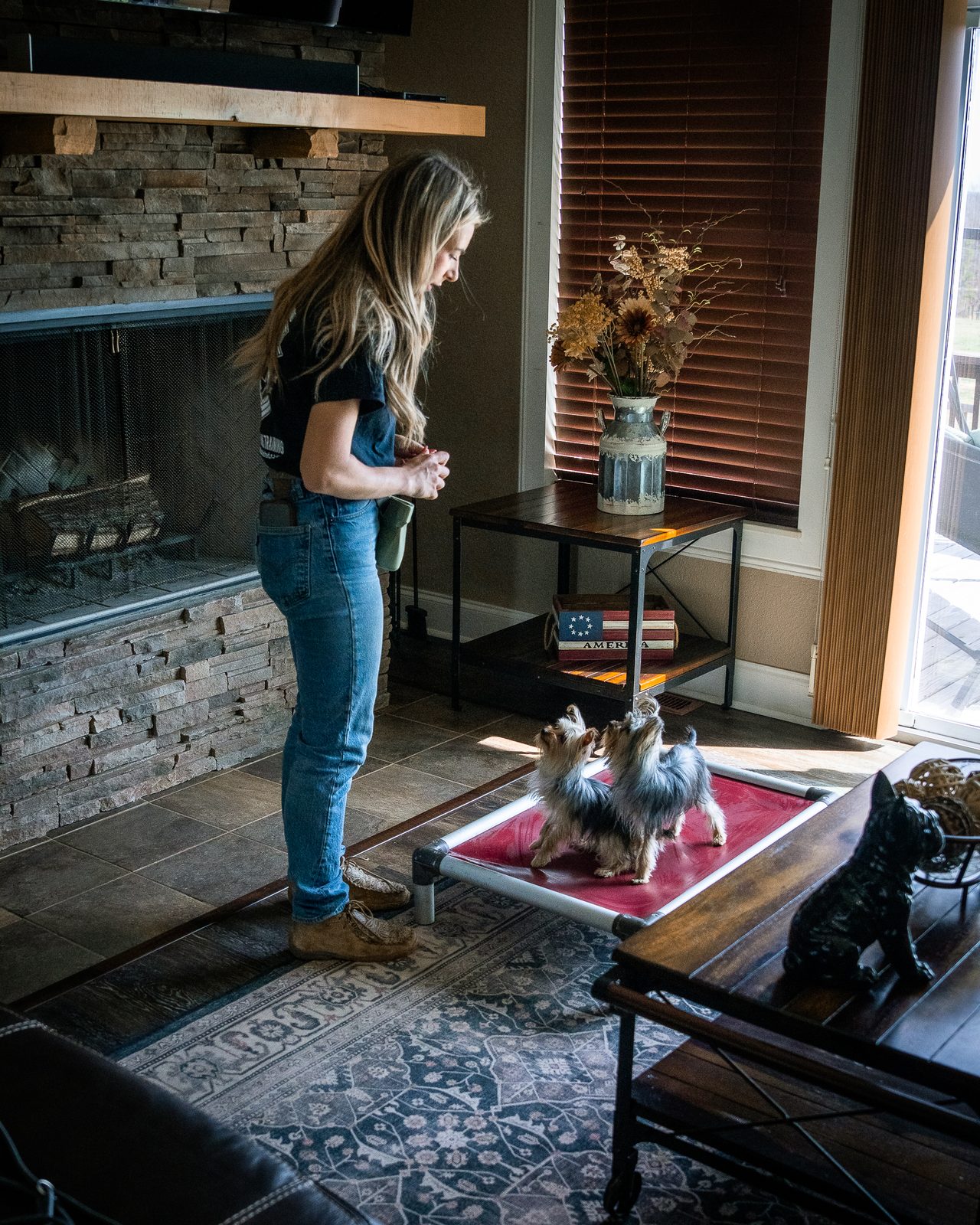
In a tower or garden complex, the training ground is the elevator, the lobby, the corridor and the short strip of grass outside. A dog that stays calm in those places is a far better neighbor than one that knows a dozen tricks. Start there.
Why it exists
Written for people without a yard
Training advice often assumes a yard. This guide starts from the opposite place: an elevator, a corridor and a small patch of grass.
City pages mention local housing types, main roads and heat conditions, using public information rather than ads.
About this guide →Choose your path
Training Help for Close Quarters
Six guides cover the main kinds of help for apartment and condo dogs, with a general price range and the questions to ask for each.
Apartment Dog Lessons
A private lesson for an apartment dog trims the list to what matters in shared buildings: quiet at the door, calm in the elevator and a steady walk through the lobby.
$75 to $150 per lessonRead the guide →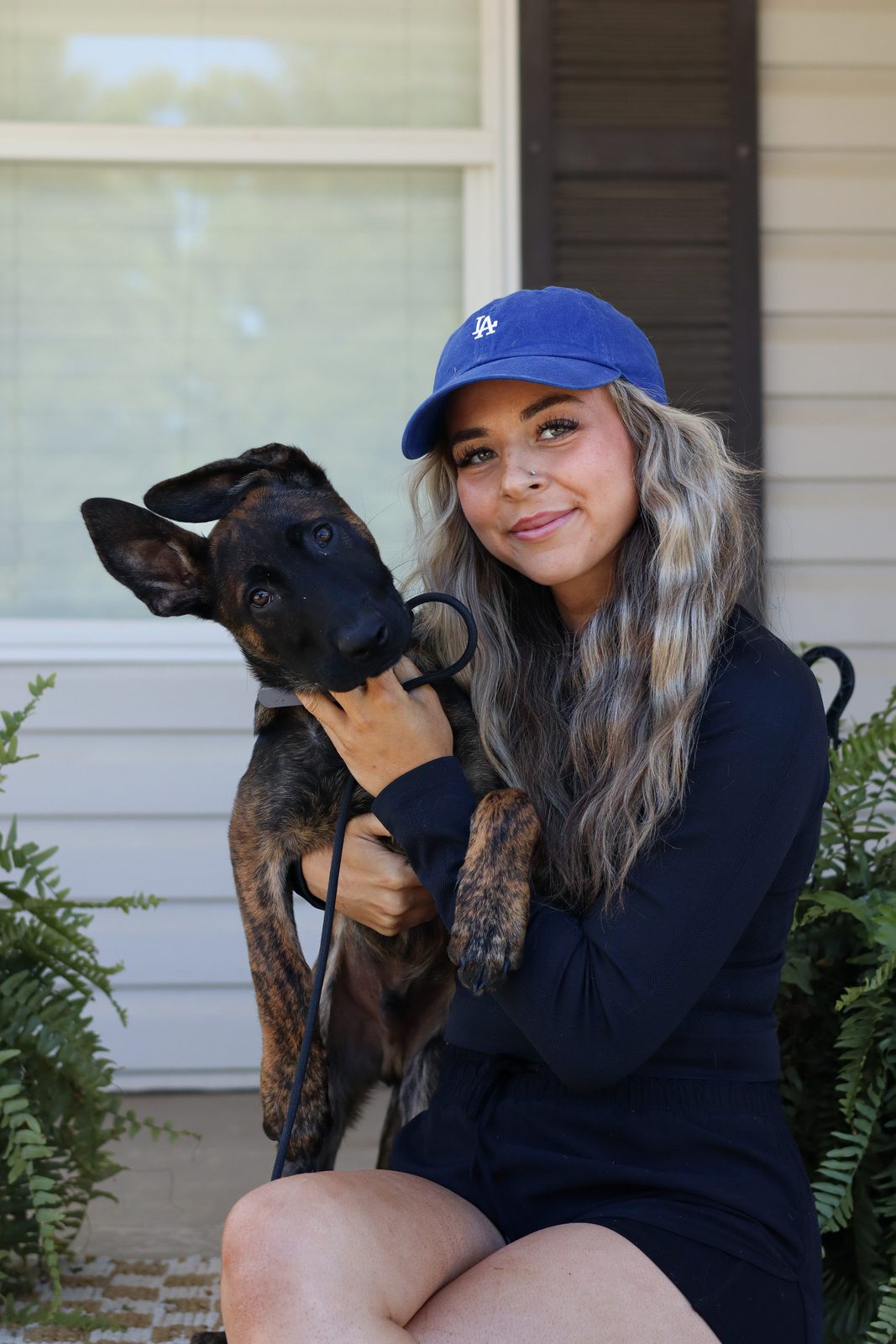
Condo Puppy Training
A puppy in a condo has to learn potty timing around an elevator, quiet during the workday and that a balcony is not a play space.
$150 to $350 per lesson packageRead the guide →
In-Building Training
When the problem lives in your corridor or elevator, the best lesson takes place there.
$100 to $200 per lessonRead the guide →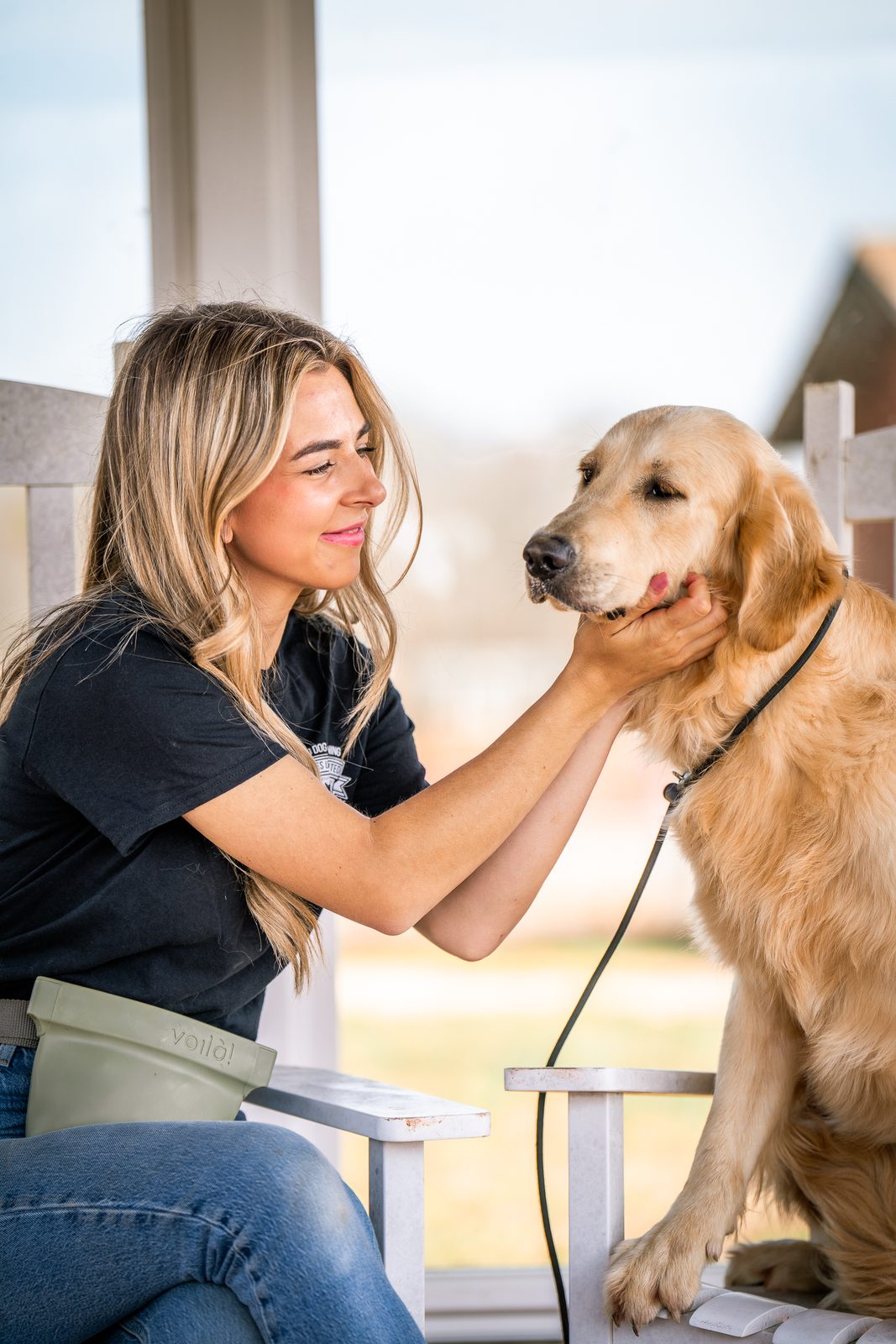
Polite Dog Manners
A manners package builds the habits neighbors notice: no lunging at the elevator, no jumping on guests and no dragging down the hall.
$500 to $1,200 per packageRead the guide →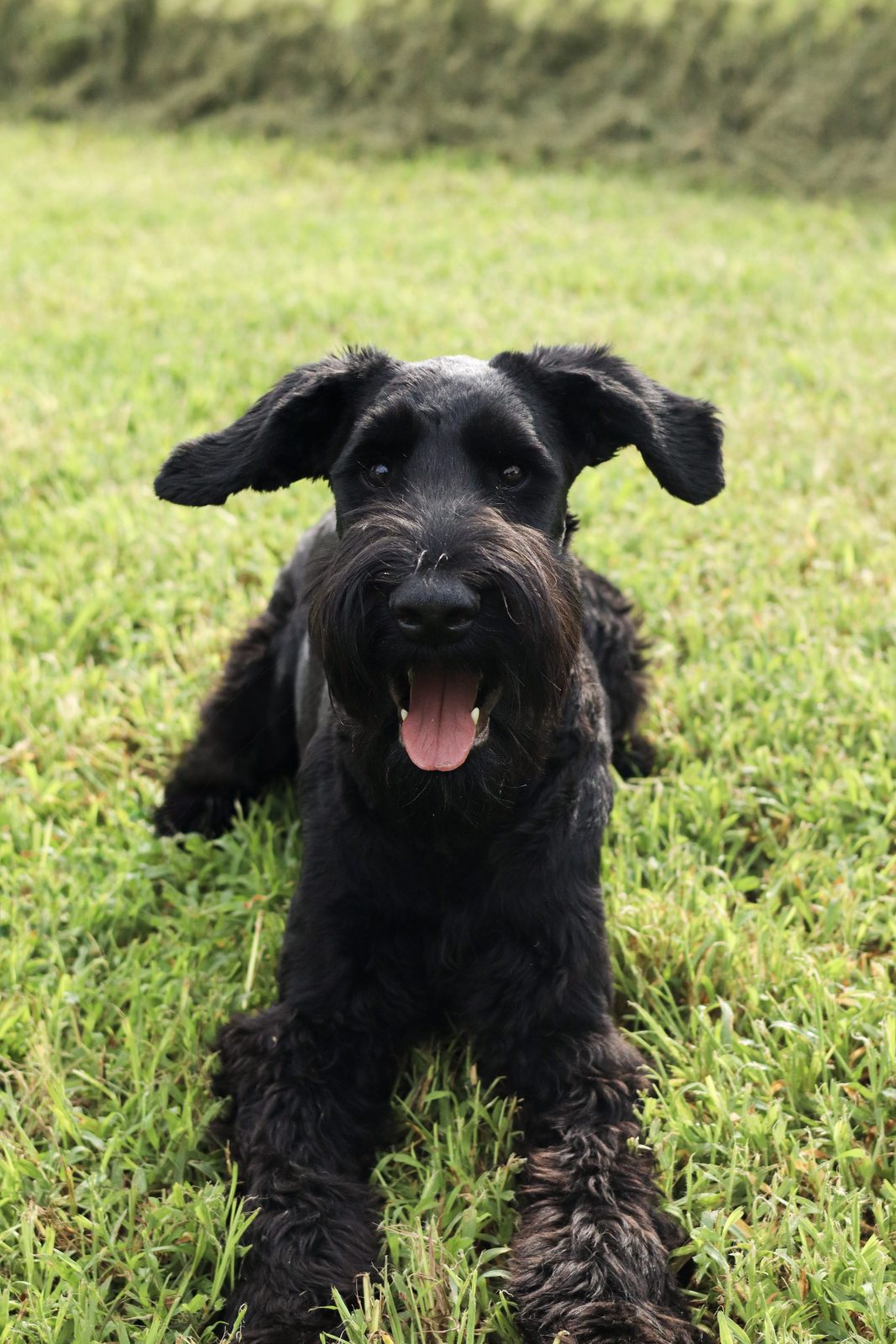
Barking and Reactivity Help
Barking carries through shared walls, which makes it the number one complaint in multi-unit buildings.
$600 to $1,800 per programRead the guide →
City-Dog Stays
A stay can jump-start manners, but the skills must transfer to your building when your dog comes home.
$1,500 to $2,500+ for a 2 to 3 week stayRead the guide →Rough planning figures. Each trainer sets a price for the dog and the market.
How it works
Start where you live
- 01
Read your building's pet rules
Size, number, noise and elevator rules shape what you can practice.
- 02
Pick the guide that fits
Choose from six types of help, each with a general price range.
- 03
Plan a cool-hours routine
Schedule walks and practice for early morning or evening, and keep water handy.
Calm at home
Quiet dogs make good neighbors
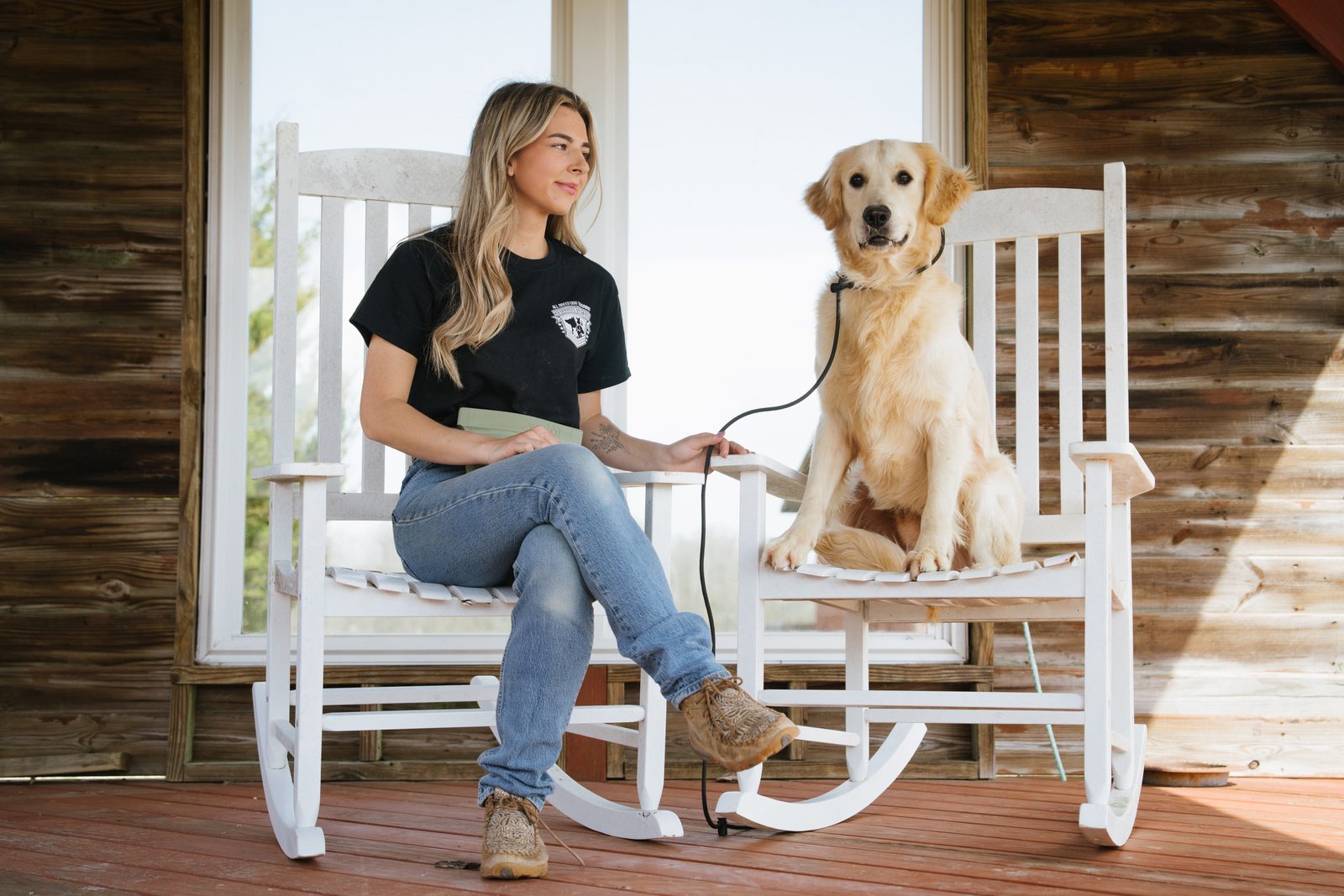
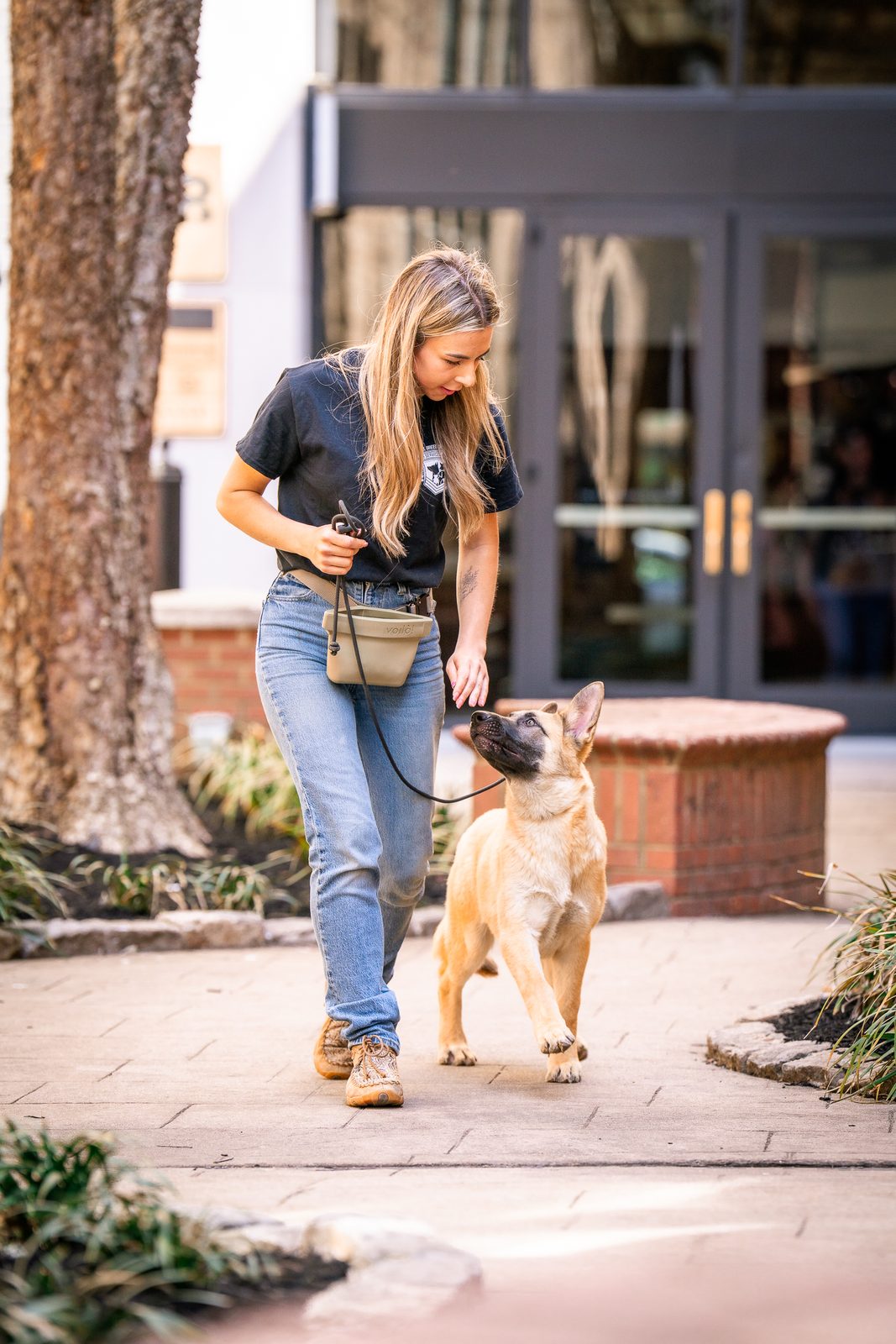
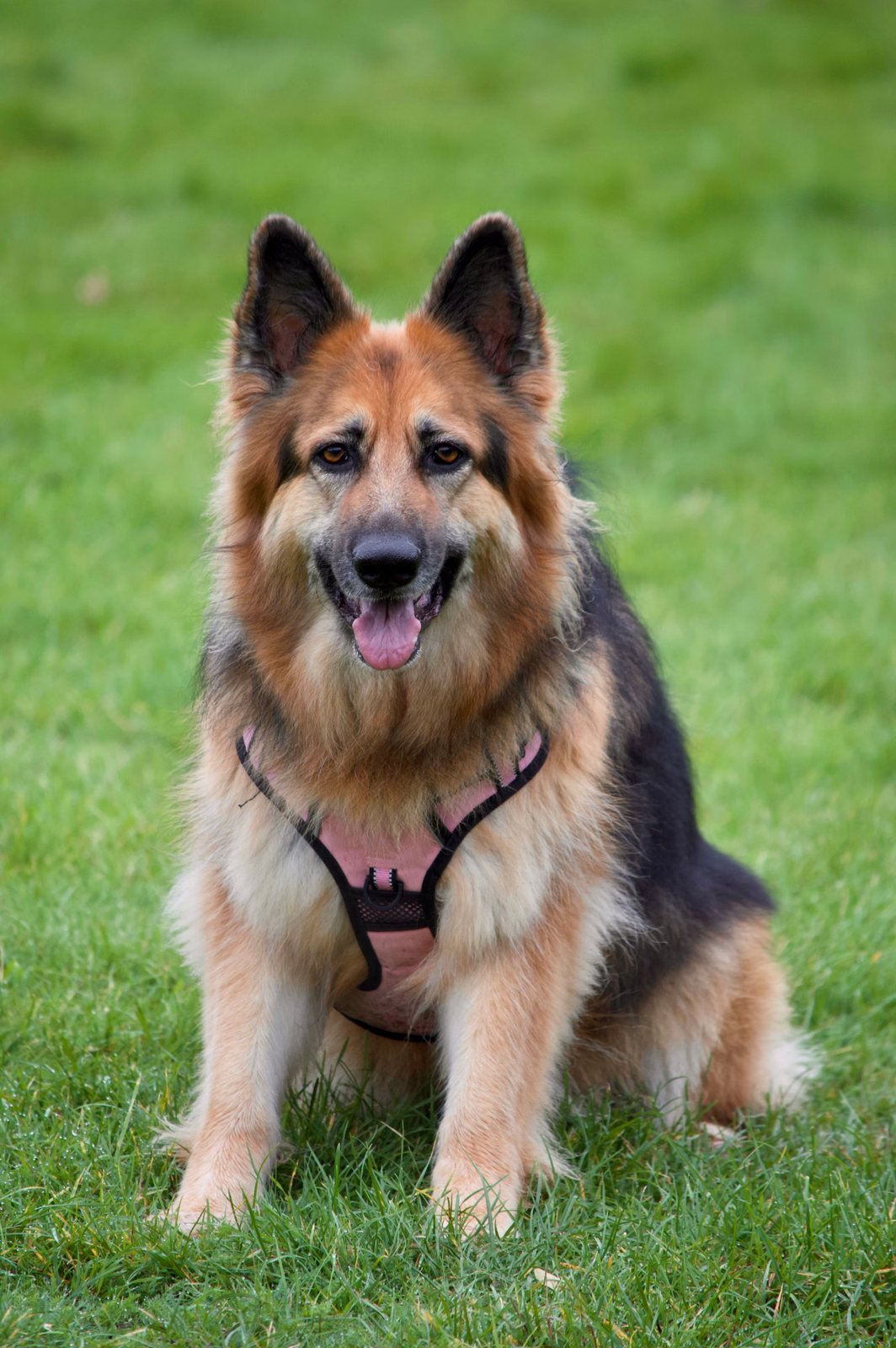
Settled dogs are the goal in shared buildings. These frames show relaxed animals in everyday settings.

How this condo guide works
Tight quarters. Straight talk.
A K9PN site. Check the Disclaimer for details.
Trainer availability
Current Status
We are lining up professional trainers in Miami, and nobody is taking requests from this site yet. Meanwhile, you can use the guides to set up routines and read your building's pet rules.
- Nothing to fill out or submit
- Tips that work inside a unit
- Notes on beach towns, high-rises and garden complexes
Service areas
Neighborhood Notes
Beachfront towers, inland townhome communities and mid-rise blocks all call for slightly different routines. Pick the area closest to you.
Good questions
Before you begin.
What should I teach first in an apartment?
Settle on a mat, wait at the door and walk calmly beside you. They support everything else.
How much does help cost in Miami?
Plan on roughly $75 to $150 per private lesson, $100 to $200 per visit and $600 to $1,800 for a barking or reactivity program.
Can I book through this site?
Not at the moment. Requests are closed, and no form is connected.
Is a balcony safe for my dog?
Never leave a dog alone there, and check the railing gaps. Supervise any balcony time.
How do I handle summer walks?
Walk early or late, test the pavement with your hand and carry water.
What about hurricane season?
Teach carrier comfort in advance, keep ID current and ask your veterinarian about noise worries.